A Guide to Allergy-Proofing Your Home and Office
Allergies affect more than 50 million Americans each year. If you experience allergy symptoms, you understand how much of a hassle they can be to live with. Some of the most common allergy symptoms are:
- Sneezing
- Runny or stopped-up nose
- Itchy or watering eyes
- Wheezing and coughing
- Dry skin
- Swelling
While many over-the-counter medications can alleviate these symptoms, removing the causes from your environment is the most effective solution. This guide covers the best ways to get allergens out of your house and workplace.
Wash Linens Frequently
One of the most common ways for allergens to infiltrate your home is by clinging to your clothes and walking right through the door with you. Take these simple steps to minimize the spread of these allergens from fabrics and get them out of your house.
- Wash your clothes with hot water: Using water at 140 degrees Fahrenheit or more for laundry kills 100% of dust mites. In comparison, warm water only removes only 6.5% of them. Hot water is also effective at removing pollen and other allergens.
- Use anti-allergen laundry detergent: Along with hot water, you could benefit from using a specially formulated laundry detergent. These products can fight dust mites, pet dander and pollen.
The first step to easing allergy symptoms is by eliminating allergens from the clothes you wear. This tip is crucial when you consider how clothing puts allergens so close to your nose and mouth. Regularly wash your clothes, bedding and other fabrics to reduce the effects dust mites and other allergens can have on you, your home and workplace.
Avoid Carpet
Carpet might be comfortable and aesthetically pleasing for some, but it poses a significant threat to allergy sufferers. If you think you’ve done everything you can to keep allergens out of your home, check the floors. Carpet is a typical allergy culprit for a few reasons.
- Material: Carpets consist of various materials, many of which are volatile organic compounds. Over time, these off-gas into the air and can cause allergic reactions.
- Carpet harbors allergens: Long carpet gives allergens a place to live without you knowing. When you walk on the carpet, it can disrupt them and throw them into the air.
- Damp carpet can cause mold: If your carpet smells musty or is damp to the touch, it could encourage mold growth.
Consider alternative flooring options such as hardwood or laminate with rugs layered on top. While rugs could pose similar problems to carpet, they’re machine-washable with hot water and avoid many of the issues associated with long or high carpet.
If you still prefer carpeted floors, you can take several steps to minimize allergies in your office and home. Continue reading for tips on vacuuming to prevent allergy symptoms.
Vacuum Often and Use a HEPA Filter
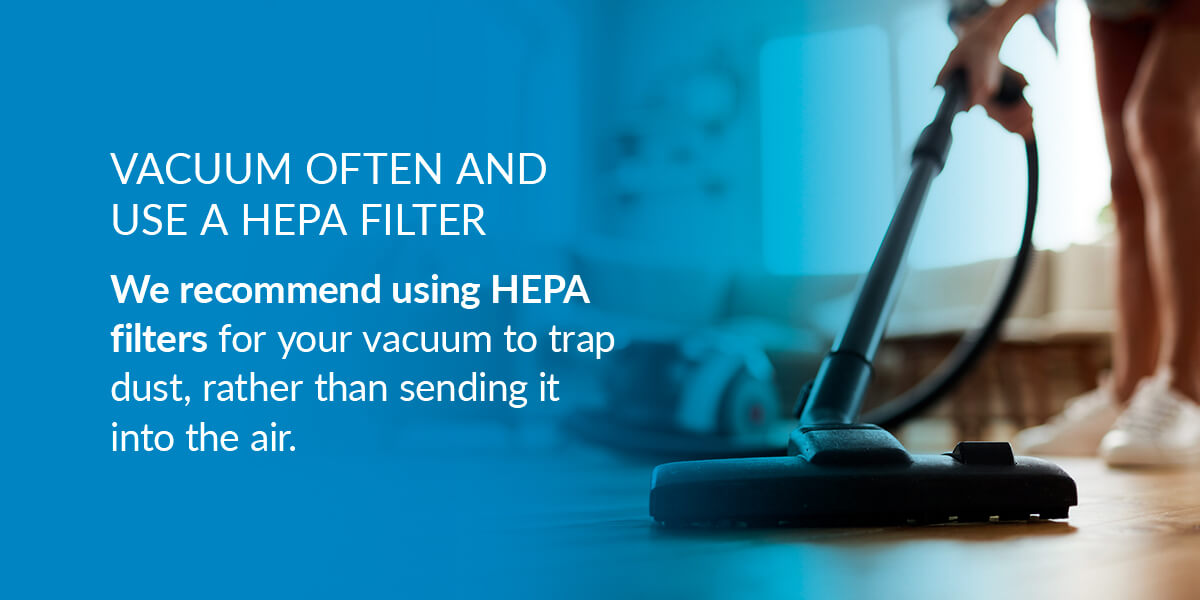
HEPA stands for high-efficiency particulate air and refers to a type of filter that can capture nearly 100% of microscopic particles that affect air quality — including dust mites, mold, pollen and pet dander. We recommend using HEPA filters for your vacuum to trap dust, rather than sending it into the air.
While this is a good start, there’s more to know about HEPA vacuum filters. For best results, don’t take any shortcuts when vacuuming. Be sure to clean the furniture, curtains and rugs in addition to the carpet. While HEPA filters can trap more particles than average ones, the vacuum could still kick allergens into the air. If you have severe allergies, it’s wise to wear a mask and open some windows while vacuuming.
Other tips for keeping carpets free of allergens include:
- Steam or shampoo your carpets every month.
- Give your carpet time to dry when you clean or spill something on it.
- Make sure your vacuum is powerful enough to pick up pet dander and hair.
- Avoid opening windows on high-pollen days.
Using these filters will help reduce your exposure to allergens and ultimately create a healthier environment in the office and at home.
Change Your Air Filters Regularly
Each of the tips mentioned so far will help reduce your allergy symptoms, but having a high-quality air filter is hands-down the most effective. You have many factors to consider when choosing an air filter for your home or office:
- Size of the area
- Allergens you want to filter
- Filter’s longevity
Air filters work by catching allergen particles before they have a chance to settle into your carpet or furniture. They can also remove existing pollutants that vacuuming dislodges from your carpet.
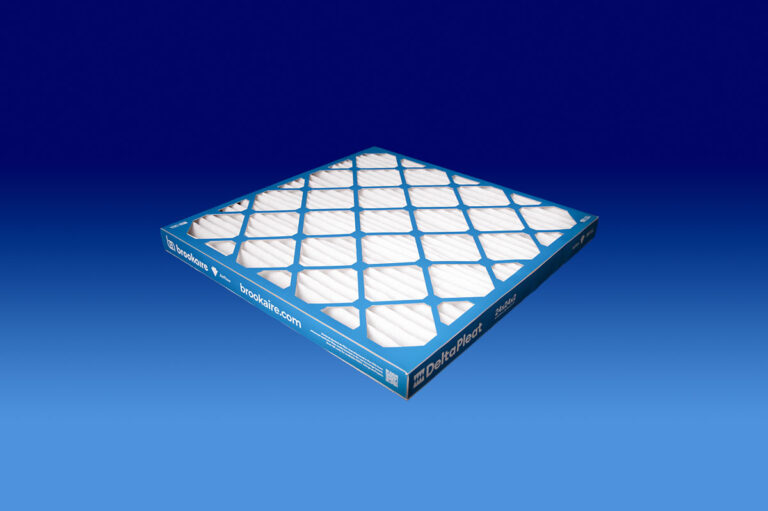
Many people aren’t aware that regular paper filters won’t trap allergens or particles of a similar size, such as mold and pollen. Pleated air filters’ unique design traps particles as small as mold spores, cigarette smoke and auto emissions — do your research first!
Air filters are essential to allergy-proofing your home and office, and it’s even more crucial to choose the correct type. If you’re buying air filters that do not attack your symptoms at their root, you might be disappointed with the results. If you’re not sure which filter will meet your needs, consider reaching out to an expert to ensure you make the right choice.
Shop Our Collection of Air Filter Replacements
At Brookaire, we specialize in providing quality commercial and residential air filters to our customers. We have been serving the HVAC industry since 1974 and strive to understand and meet your needs! We know how many Americans struggle with allergy symptoms, and we offer a range of solutions to help reduce allergens in your indoor air.
If you know what product you want, shop our online store and order today! If you have questions or are looking for more information on our air filters or other products, contact us online today or give us a call at 973-473-7527.